Leaking Pipe Repair in Denver, CO
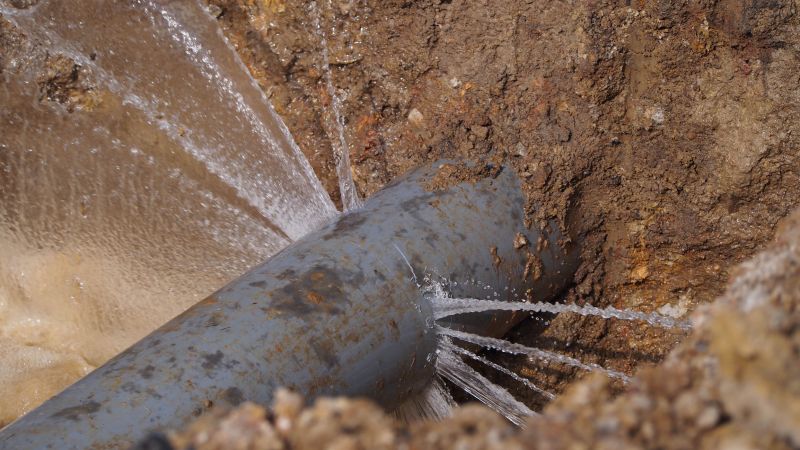
Leaking pipe repair services address issues where water escapes from damaged or deteriorating pipes within a property. This service covers a variety of projects, including fixing leaks in indoor plumbing systems, repairing burst or cracked pipes, and addressing leaks in underground or hard-to-reach piping. Property owners typically seek leak repairs to prevent water damage, reduce water bills, and restore proper plumbing function. Understanding the location and extent of the leak, as well as the type of piping involved, can help in planning effective repairs.
Before requesting leaking pipe repair, homeowners should consider whether the leak is ongoing or if there are signs of water damage, such as damp walls, mold, or increased water bills. It’s also helpful to know the approximate location of the leak and if there are any visible signs, like dripping or pooling water. Being aware of the pipe material and the age of the plumbing system can assist in determining the most suitable repair approach and prevent future issues.
Many property owners in Denver, CO look into Leaking Pipe Repair for repairs, replacements, upgrades, and appearance-related improvements.
Identifying Leaking Pipes
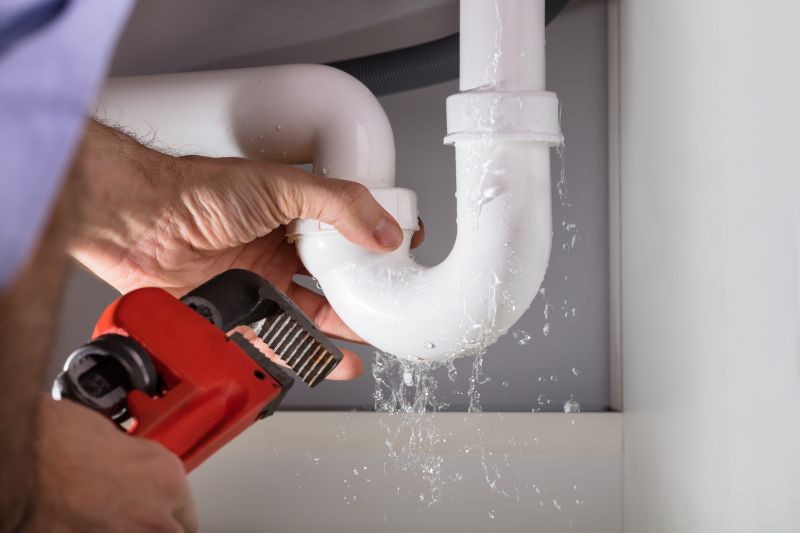
Signs of leaking pipes include unexplained water stains and damp spots on walls or floors.
Common Causes Of Pipe Leaks
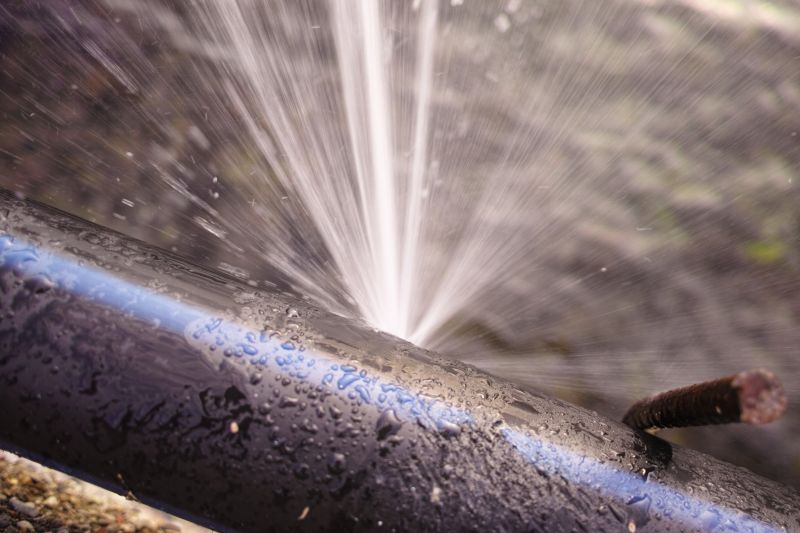
Corrosion, high water pressure, and pipe age are frequent reasons for leaks in denver homes.
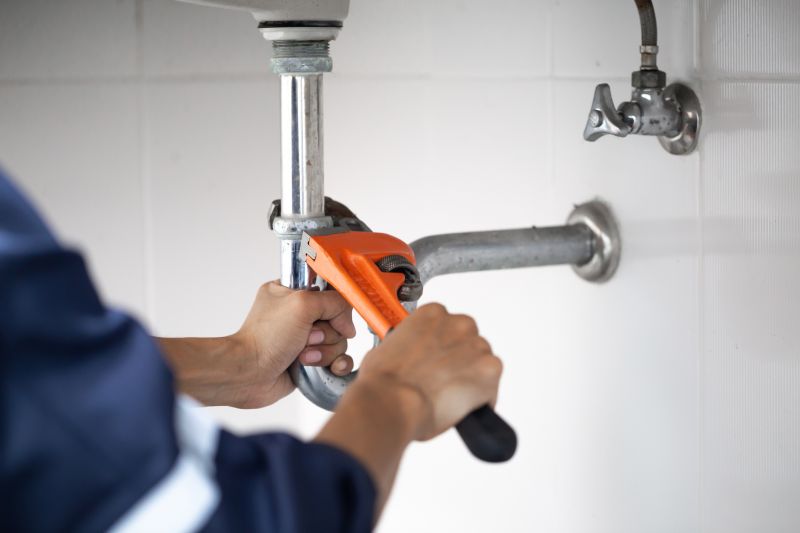
Preventive Maintenance Tips
Regular inspections and prompt repairs can help avoid major water damage caused by leaking pipes.
Leaking Pipe Repair in Denver, CO

Leaking pipe repair services address issues where water escapes from damaged or deteriorating pipes within a property. This service covers a variety of projects, including fixing leaks in indoor plumbing systems, repairing burst or cracked pipes, and addressing leaks in underground or hard-to-reach piping. Property owners typically seek leak repairs to prevent water damage, reduce water bills, and restore proper plumbing function. Understanding the location and extent of the leak, as well as the type of piping involved, can help in planning effective repairs.
Before requesting leaking pipe repair, homeowners should consider whether the leak is ongoing or if there are signs of water damage, such as damp walls, mold, or increased water bills. It’s also helpful to know the approximate location of the leak and if there are any visible signs, like dripping or pooling water. Being aware of the pipe material and the age of the plumbing system can assist in determining the most suitable repair approach and prevent future issues.
Many property owners in Denver, CO look into Leaking Pipe Repair for repairs, replacements, upgrades, and appearance-related improvements.
Common Leaking Pipe Repair Jobs
Residential plumbing repairs - fixing leaks in household pipes to prevent water damage.
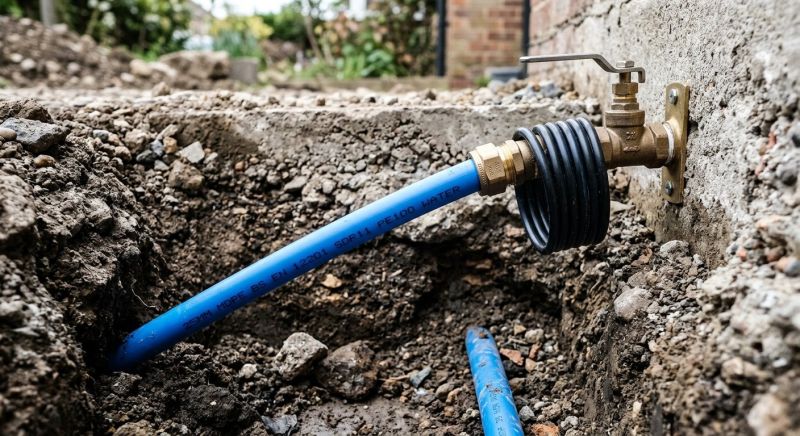
Underground pipe sealing - repairing leaks in buried pipes without extensive excavation.
Bathroom and kitchen pipe repairs - addressing leaks in sinks, tubs, and appliance connections.
Main water line leak repairs - stopping leaks that affect the entire property’s water supply.
Pipe joint and fitting repairs - fixing leaks caused by worn or damaged connections.
Emergency leak repairs - responding quickly to urgent pipe leaks to minimize property damage.
Leaking Pipe Repair Questions
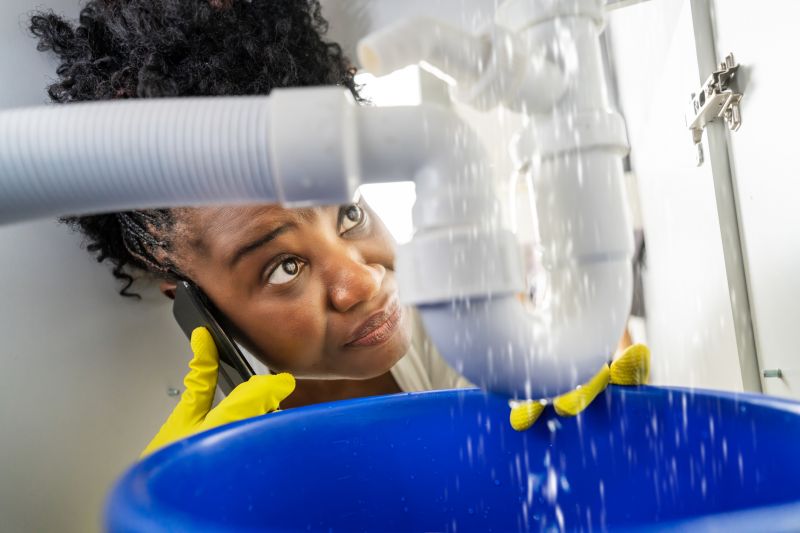
What are common signs of a leaking pipe? Signs include water spots on ceilings or walls, increased water bills, and reduced water pressure.
How does a leaking pipe affect a property? It can cause water damage, mold growth, and structural issues if not addressed promptly.
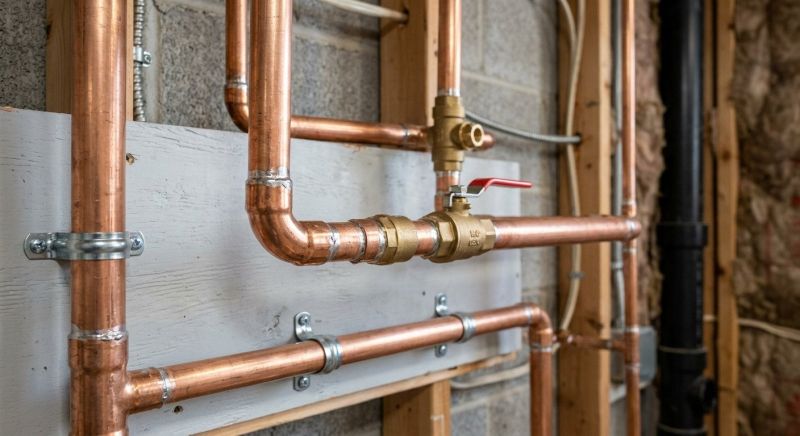
What types of pipes are typically repaired for leaks? Commonly repaired pipes include copper, PVC, and galvanized steel plumbing lines.
What should homeowners do if they suspect a leak? Contact a plumbing professional to inspect and determine the appropriate repair solution.
Request Leaking Pipe Repair in Denver, CO
Use the quote form on this page to share the basics of your project and request more information for the type of work you need.